
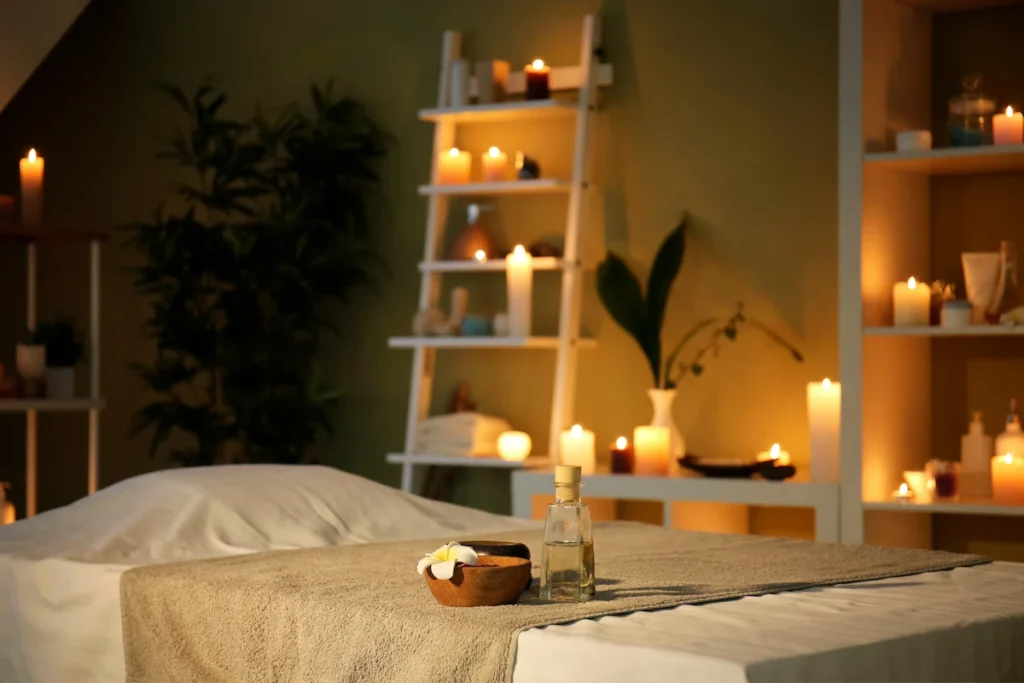
In massage therapy, the room is not just where the treatment happens. It is part of the treatment itself.
Privacy, atmosphere, comfort, and control over the environment all shape the client experience. The setting influences how relaxed a client feels, how focused a session becomes, and whether the overall experience feels intentional or transactional.
That reality is one reason more massage therapists are exploring alternatives to traditional clinic and shared wellness environments.
For some practitioners, salon suites are becoming part of that conversation.
But are they actually a good fit for massage therapists? The answer depends on the kind of practice you want to build.
Privacy Matters More in Massage Therapy
Most services benefit from a good environment. Massage therapy depends on it.
Clients are often seeking pain relief, recovery, relaxation, stress management, or therapeutic care. Noise, interruptions, crowded waiting areas, and shared treatment spaces can all affect how comfortable they feel.
That makes privacy more than a preference. It becomes part of the service itself.
A private salon suite gives massage therapists greater control over the treatment environment. Lighting, music, scent, temperature, room layout, appointment flow. Everything can be shaped around the experience you want clients to have.
For practitioners who place a strong emphasis on atmosphere and client comfort, that level of control is a meaningful advantage.
More Control Over How You Practice
Not all massage therapists work the same way.
Some build practices around therapeutic or rehabilitation-focused treatment. Others specialize in prenatal massage, sports recovery, relaxation, or highly personalized care.
Traditional clinics and shared wellness spaces often come with systems, schedules, and environmental limitations that don’t always support that level of differentiation.
A private suite gives practitioners more flexibility to shape their practice around how they actually work. That might mean customizing the treatment space, adjusting appointment timing, controlling booking hours, or creating an environment that reflects a specific philosophy or style of care.
For massage therapists who want more ownership over how their practice operates, that flexibility matters.
Independence Without Opening a Full Clinic
Going independent can be appealing, but opening a standalone clinic is a significant commitment.
Commercial leases, treatment room setup, furnishings, utilities, operations. Building a clinic from scratch comes with real cost and complexity.
Salon suites offer a middle ground.
You are still operating independently, but within a structure that removes much of the infrastructure burden. The space already exists. Core amenities are already in place. You can focus more of your energy on your clients and your practice rather than building everything from the ground up.
For massage therapists who want independence without immediately taking on the full weight of clinic ownership, that model makes sense.
Your Environment Becomes Part of Your Brand
Clients increasingly choose practitioners based on more than credentials alone.
They pay attention to the experience. The atmosphere. The personality of the practice. The feeling they associate with the space.
That shift has only become stronger as practitioners build visibility through websites, Google profiles, referrals, and social media.
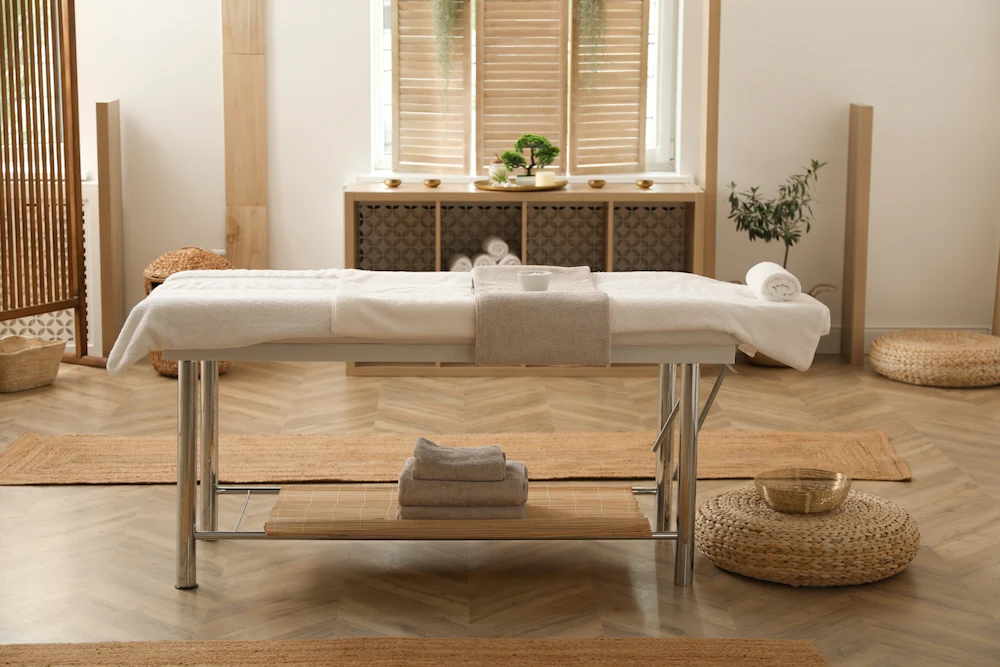
A private treatment space allows massage therapists to create an experience that aligns with the kind of practice they are building and the clients they want to attract. For some that might mean a calming wellness environment. For others, a more clinical, performance, or recovery-focused setting.
The important point is control. The space reflects your practice rather than someone else’s business model.
When a Salon Suite Makes Sense for a Massage Therapist
A salon suite is not the right move for every massage therapist, but there are some clear signs the model is worth exploring.
It tends to make the most sense when your current environment no longer matches the experience you are trying to deliver. That might mean you are feeling limited by shared clinic hours, you want more say over how your treatment room looks and feels, or you are ready to build something that is genuinely yours.
Practitioners who already have a growing client base and are bringing in their own bookings tend to get the most out of the model. The independence it offers works best when you have something to build on.
Frequently Asked Questions
Can massage therapists work from salon suites?
Yes, depending on the space and how it is designed. Many salon suite environments can accommodate massage therapists and wellness practitioners, but not all suites are built with treatment work in mind. You want to look for a room with enough space for a massage table and client movement, appropriate soundproofing for client privacy, and control over lighting and atmosphere. The key question is whether the space is genuinely set up to support the kind of sessions you deliver, not just whether it technically fits a table.
Are salon suites better than traditional massage clinics?
It depends on what you want from your practice. Traditional clinics can offer built-in client traffic, shared reception, and a structured environment, which works well for practitioners who are still building their client base or prefer not to manage the business side independently. Salon suites offer more privacy, autonomy, and control over the client experience, which tends to suit practitioners who are ready to run their own business and want the environment to reflect their own standards. Neither is universally better. The right fit depends on where you are in your career and how you prefer to practice.
Do massage therapists need their own clients to rent a salon suite?
In most cases, yes. Salon suites are designed for independent practitioners who are responsible for their own bookings and client relationships. There is no shared reception or clinic referral system directing clients to you. That means the model works best when you already have a consistent client base or are actively and confidently building one. If you are early in your career and still developing your clientele, the overhead of an independent suite may be premature. The model tends to become more practical and rewarding as your practice becomes more established.
What should massage therapists look for in a treatment room?
A few things matter more than others. The room should be large enough to move comfortably around the table and accommodate any equipment you use regularly. Soundproofing is important, both for client privacy and to create the kind of focused, quiet environment massage sessions require. You want control over lighting, temperature, and ideally scent, since atmosphere plays a direct role in the client experience. Practical considerations include access hours, whether linens and laundry facilities are available, storage for supplies and products, and whether the building has accessible parking and a professional entrance. It is also worth asking what is included in the rental versus what you are responsible for on your own.
Considering a Massage Room Rental in Calgary?
If you are based in Calgary and exploring more independent ways to run your massage practice, the room you work from matters.
Unfiltered YYC offers professionally designed massage and wellness suites for independent practitioners who want greater control over their business, their environment, and their client experience.
The easiest way to see whether it is the right fit is to come see it for yourself. Book a tour today.